


Costa Rica is a country with a great variety of fauna, including different types of rodents. Some of the most common rodents in Costa Rica are:
-
Common rat (Rattus rattus): This rodent is known for its ability to adapt to different environments and for being a carrier of diseases. The common rat can transmit diseases such as leptospirosis, salmonellosis, and rat-bite fever.
-
Field mouse (Oligoryzomys fulvescens): This rodent is native to Latin America and is very common in Costa Rica. The field mouse can be a carrier of diseases such as Chagas disease and hantavirus fever.
-
Cottontail rabbit (Sylvilagus spp.): These rodents are common in the forested and mountainous areas of Costa Rica. Although they are not known to transmit diseases, they can be carriers of ticks and fleas, which can be disease carriers.
-
Squirrel (Sciurus spp.): Squirrels are common rodents in Costa Rica, especially in forested and mountainous areas. Although they are not known to transmit diseases, they can be carriers of ticks and fleas.
-
Paca (Agouti paca): This rodent is common in the forested and mountainous areas of Costa Rica. Although it is not known to transmit diseases, it can be a carrier of ticks and fleas.
Contact with rodents can be dangerous to human and pet health, as these animals can be carriers of various diseases. The main diseases that can be transmitted by rodents in Costa Rica include:
-
Leptospirosis: This disease is caused by a bacteria found in rodent urine. Symptoms include fever, headache, muscle pain, and vomiting.
-
Salmonellosis: This disease is caused by a bacteria found in rodent feces. Symptoms include fever, diarrhea, and abdominal pain.
-
Rat-bite fever: This disease is caused by a bacteria found in rat saliva. Symptoms include fever, muscle pain, and headache.
-
Chagas disease: This disease is caused by a parasite found in rodent feces. Symptoms include fever, muscle pain, and fatigue.
-
Hantavirus fever: This disease is caused by a virus found in rodent feces, saliva, and urine. Symptoms include fever, muscle pain, and fatigue.
To avoid contact with rodents, it is important to maintain good hygiene in the home and in areas where pets are located. It is also recommended to avoid direct contact with rodents and their feces, and to keep pets away from these areas. If an infection with any of the mentioned diseases is suspected, immediate medical attention should be sought.
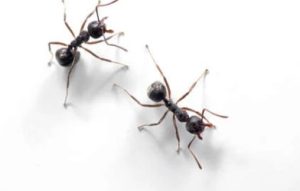
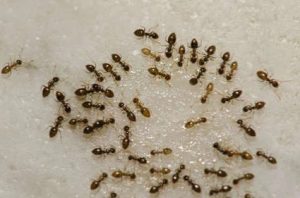

 There’s nearly 3000 species of termites around the world, we can mention: Coptotermes crassus, which affects cypress wood, Coptotermes testaceus, which affects melina and teak, o, Nasutitermes corniger, among many others; because there are drywood termites, subterranean termites and also termites that attack damp wood. Termite’s reproduction is very quick, so you can easily have a colony in your home, this insect’s reproduction starts with the rainy season and lasts almost all the year, during the nupcial flight it is common to see the colonizers looking for a place to set a new colony.
 Termites have a complex social organization, they are divided into classes and castes, according to their function in the colony; once they are installed you must to apply a specialized treatment to exterminate them, it’s important take on consideration that it’s not possible eliminate this problem with spray once or just the apparently affected area. The solution must be integral and always protect the healthy wood.
  Fumigadora Costa Rica Premium offers to our customers the alternative of performing a scan with special equipment: Termatrac T3i. This procedure can be done before and after a treatment against termites,